

Dance Like Nobody’s Watching, Unless Everybody Is. Then It Matters Most That You Just Dance.
How to use entrepreneurial thinking to stand out in the worst job market since 1988

When I was 13, the father of a friend took us to tour the Google Zurich office. A decade later, I’m writing this after completing my internship at Google, return offer in hand and a significantly tougher job market ahead. With “New Entrants as a Percent of Total Unemployed” hitting a 37-year high last summer, this post is meant as a survival guide for carving out an entry-level career in a market where the odds are against you.
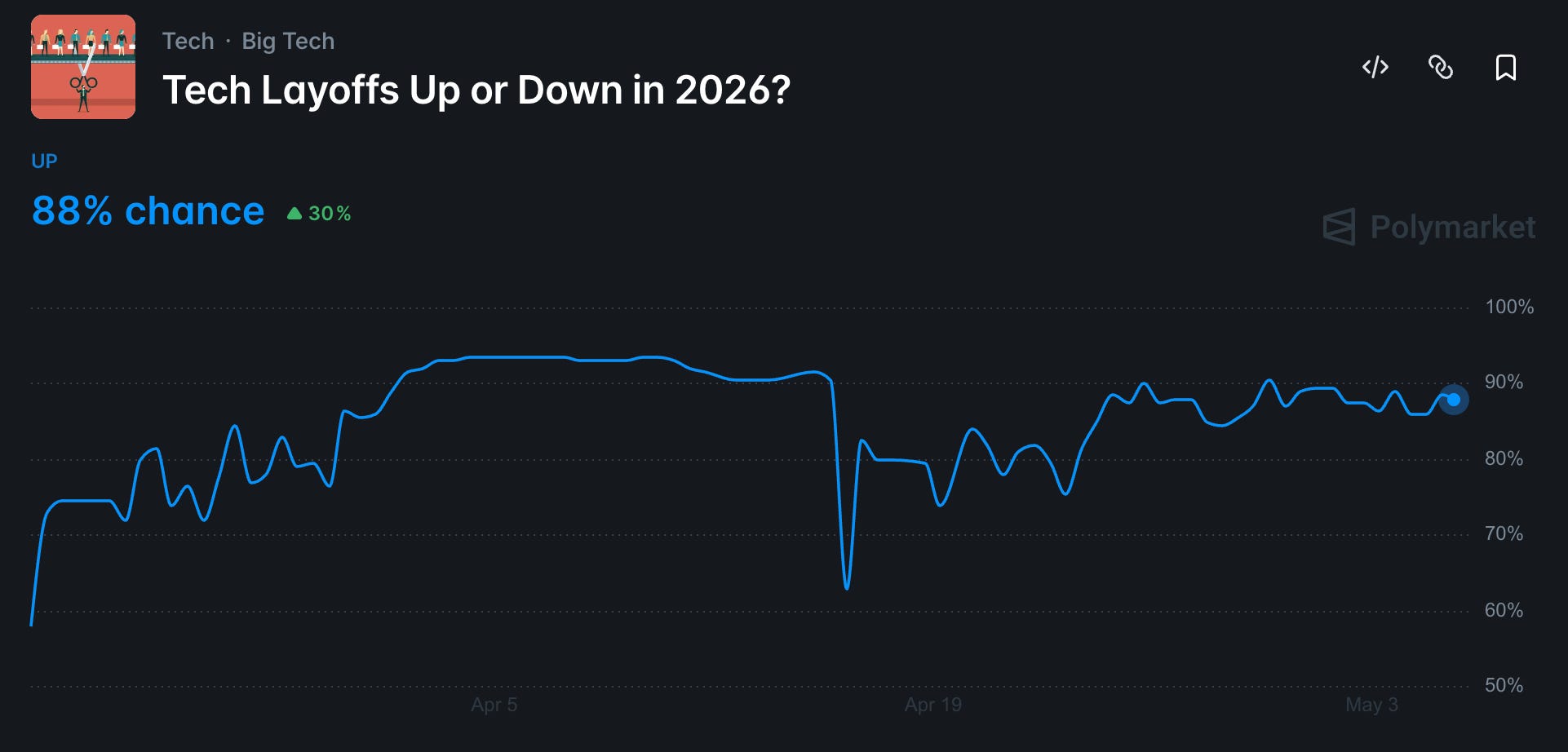
This is not meant as a life-changing framework. Rather, it’s a collection of the hacks, tips, and knowledge bytes that helped me move forward and might help you do the same.
[1] Direction
You don’t need to have experienced a spiritual awakening when touring the offices of your dream company a decade ago, but you should have some solid idea(s) of where you want to end up. This idea should be (1) sharp and (2) bold.
Sharp so that you can craft your story around it. Go deeper than your field of studies or an industry you like and instead focus on 1-3 concrete profiles, possibly at a specific company. Because no matter if networking, having your CV reviewed, or answering interview questions, everybody is always short on time and attention. You will be forced to compress your story. The sharper the idea, the easier it is to build a clear and concise story around that goal. A story that can be understood in seconds. And a story that’s understood is remembered.
Ignore any limitations for this step of the story; e.g., if your dream truly is to become an astronaut for NASA, roll with it. No matter how bold or unrealistic it feels, it’s crucial that you don’t limit yourself down this early on. Getting a job has become harder. You’ll need determination to get there - and that’s much easier with a goal big enough to dream about.
Now your story might change along the way, that’s okay. As long as it stems (hopefully at least in part) from a core value of passion about the desired goal, wherever you end up will still be meaningful. So be prepared for that and keep in mind that landing on the moon is still impressive, even if you aimed for the stars.
[2] Execution
Now we have direction. Nice. But direction alone doesn’t get you hired. You have to increase your luck surface area. That comes mainly down to two things:
“DO” get better at your hard and soft skills (practice, experience, output)
“Tell” make it visible (your story, your work, your network)
For me, this started at 14, when I was frustrated with the video games my laptop came with. I thought it couldn’t be that hard to build something better.
I was wrong (Turns out building games is slightly harder than complaining about them).
But since then, I learned to code and something (more) valuable: what I enjoy, what I’m good at, and what I want to avoid.
[2.1] DO: Become inordinately experienced
Once you know these things about yourself, you must lean into them. Find your specific niche of things you excel at. Greatness doesn’t (have to) come from being the best in one thing; you can stand out by displaying a unique talent in combining multiple soft and hard skills. For me, this meant merging my love for yapping with my passion for UI / UX design and my existing ability to write code into a story of a “Product-focused engineer”.
So while I’ll probably never be the best coder, designer, or communicator individually. Combining all three gave me a niche where I could stand out. Don’t optimize for being just impressive; optimize for being useful in the specific context of your story.
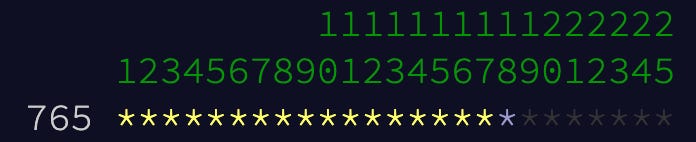
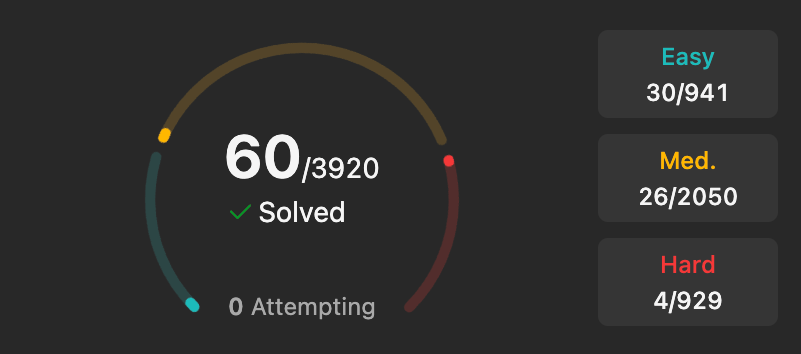
Also, identify which skills you’re still lacking. In my case, that meant grinding algorithms. I recommend trying hard to discover formats you enjoy learning with (For me, this meant Advent of Code over LeetCode), to ensure you actually follow through.
[2.2] TELL: Become confident in selling yourself
Be public. Have a website, a GitHub, maybe launch a Substack ;)
Create a CV that tells the best and clearest version of your story. Allow yourself to choose boldness over being humble (while staying factual). A good measure here is to have your friends read it over drinks and decide if the cringe level is acceptable or not.
I used multiple CV versions:
a clean, ATS-friendly format, US style
a more “creative” version with color and headshot, EU style
different languages depending on the company (International / Local)
Role-specific variants (For me, that meant a software engineering focus and a cyber security focus) because you can’t tell multiple stories on one page.
Get your CV reviewed and ask people to tear it apart. That’s the fastest way to improve it.
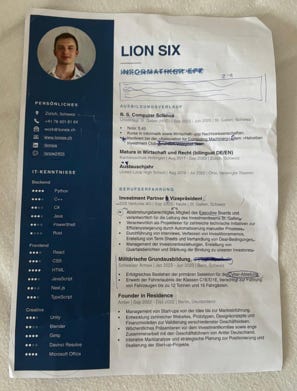
Volunteer for any opportunity to become experienced in hiring yourself. I’ve reviewed hundreds of CVs and conducted interviews through student initiatives and clubs, and it’s almost impossible not to learn what works when you sit on the other side of the table. More on this can also be found in Learnings from trying to recruit the boldest and brightest.
Finally, entry-level jobs don’t ask for many references, but make sure you know who could vouch for you (and make sure they know too).
[2.3] Become fluent in your industry & network
This means having an interest in what the current challenges and emerging trends are, what the people working your job are discussing, and what companies actually care about. Beyond your technical skills and how you present them, this is what allows you to slightly adjust your story to match the recruiter’s core problem. The better you understand this, the easier it becomes to position yourself as part of the solution. Best to do this by finding a source you like (for the tech/startup scene, I can recommend StricltyVC) and read it regularly.
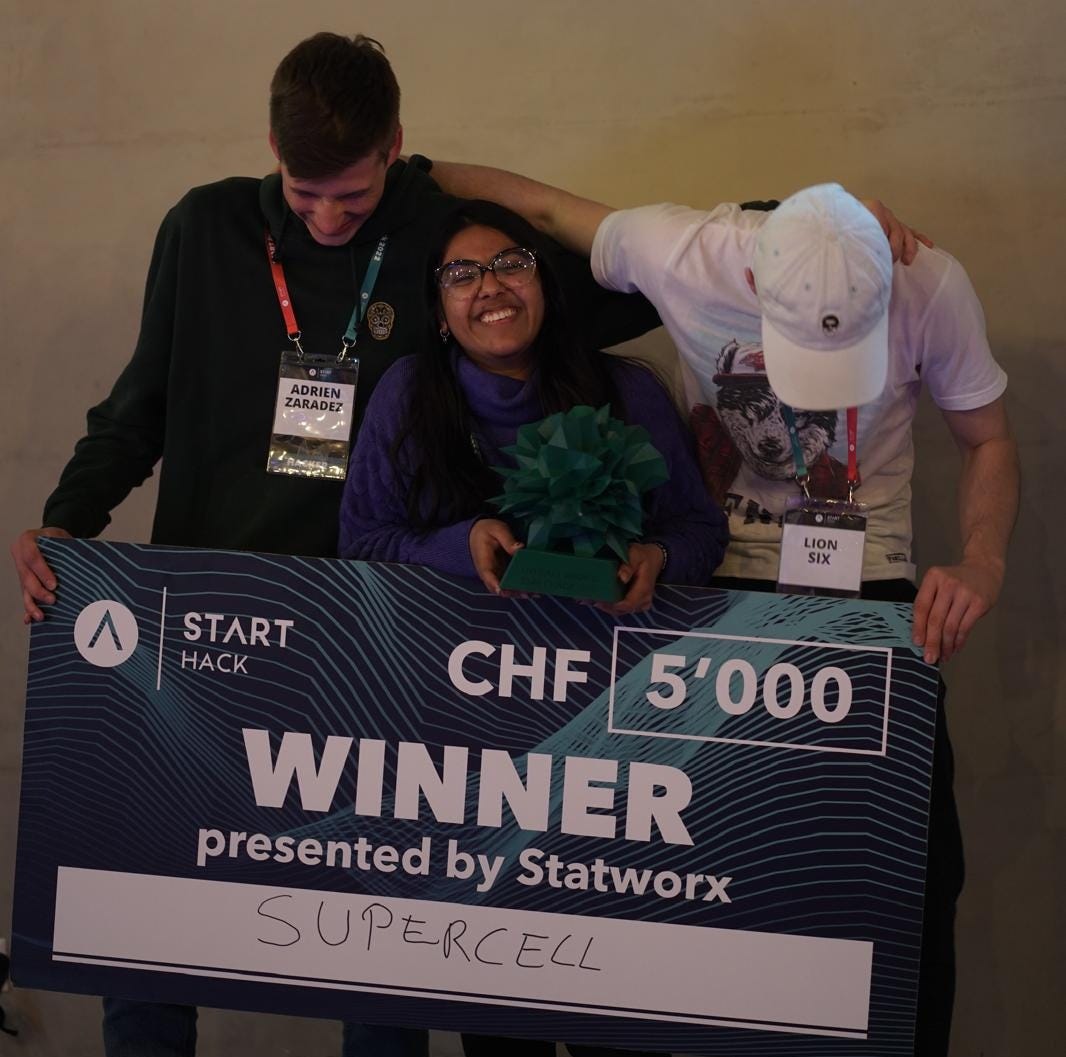
Being part of the industry also means building a network. Besides having a public presence, this boils down to doing things you enjoy that are at least somewhat related to your field, and being a good person while doing them. Join clubs, go to hackathons, and work on projects. Over time, you’ll naturally meet interesting people in the space. When the time comes, let everybody you run into know what you’re working towards and where you are in the process. Never solicit a referral. Instead, ask for feedback on your profile and if they know of any open positions. Most people are happy to do that, and it gives them an easy out if they can’t help further.
[2.4] Stay unstoppable
I failed my first coding interview. Hard. My hands were shaking. I couldn’t remember how to write a simple Java loop. I did not pass.
But I didn’t stop because of it. Instead, I spent more time on LeetCode than before and enlisted as many friends as were willing to do mock interviews with me. Three weeks later, I passed my Google coding interview.


The process comes down to cracking each stage. Above, we focused mostly on the story, which is crucial for getting your foot in the door (and deciding which door to knock on). But even with the best story, the coding interview stage is best mastered by, well, practicing coding interviews (can highly recommend Cracking the Coding Interview for getting fluent in this).
So now that you have your story, skills, and process figured out, the thing left to do is to (relentlessly) apply.
One of my favorite quotes from How Google Works is:
“Eric doesn’t adhere to Satchel Paige’s advice to ‘dance like nobody’s watching.’ When you’re a leader, everyone is watching, so it doesn’t matter that you dance poorly, it matters that you dance.”
While this was meant for leadership, I like to use it broadly. When you apply, people(recruiters are also people) are consuming your CV and with that your story. So it doesn’t matter how ready you feel, the story will never be perfect - but luckily it doesn’t need to be. It just needs to exist.
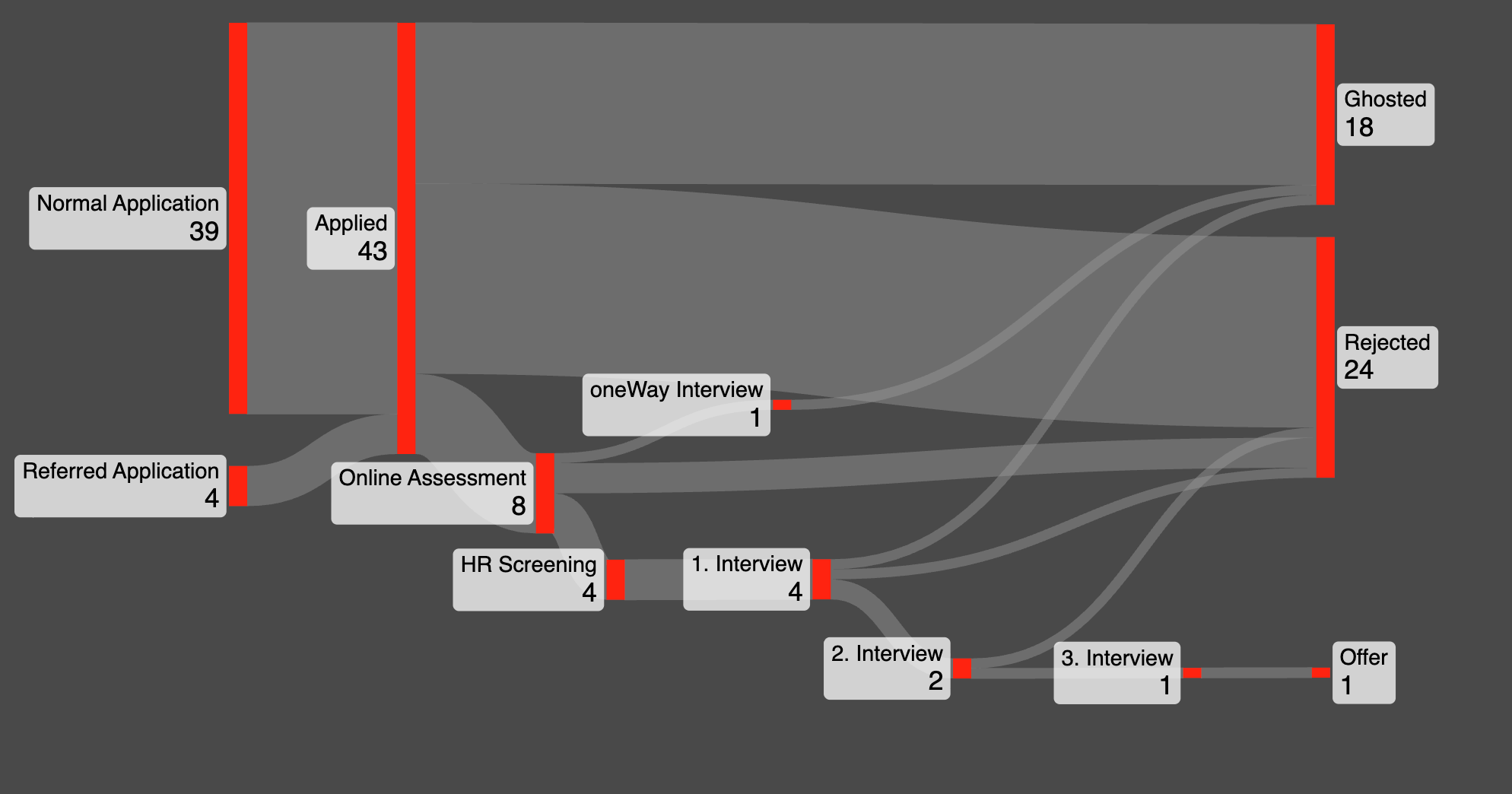
You will apply a lot, fail a lot, and get ghosted. Don’t take it personally and keep going until you reach where you want to go.
[3] Stay Hungry
You got the job, congratulations! Now what?
Early in your career, your main advantage is simple: you can afford to say yes more often than others.
Take on the unclear problems, the things outside your comfort zone, the tasks that are messy. You can afford to fail. You can afford to not know the answer.
A good rule of thumb is to regularly ask yourself: what would someone one or two levels above me do in this situation? And then try to do that. Take ownership where it’s not explicitly given.
This can be as simple as stepping up to organize the team lunch or pushing to present your project during the big meeting instead of behind closed doors.
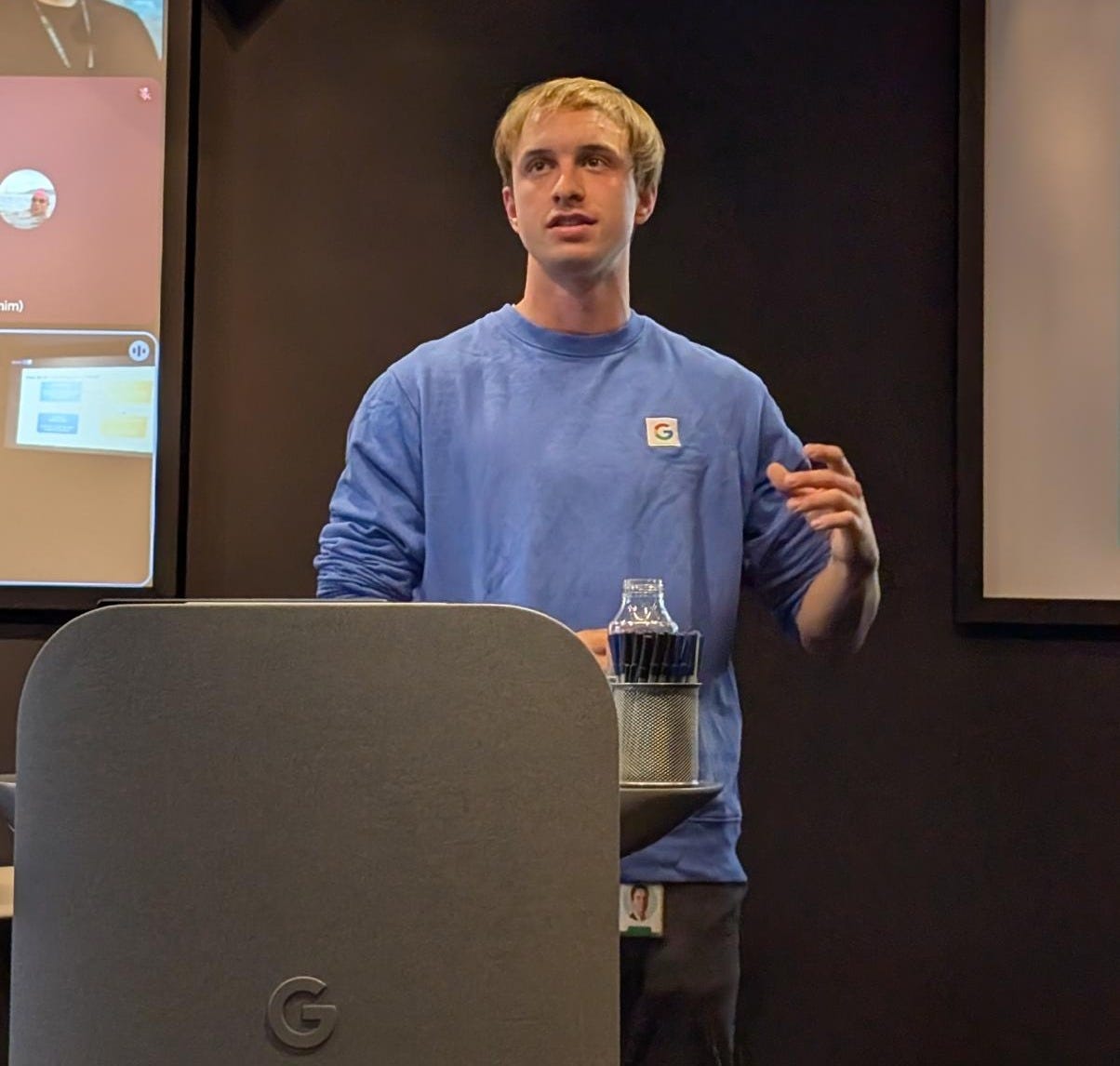
In the end, the mode of operation stays the same as in the chapter above: keep Do-ing, Tell-ing, and remember that in the end, it usually doesn’t matter how well you danced, it matters that you did.